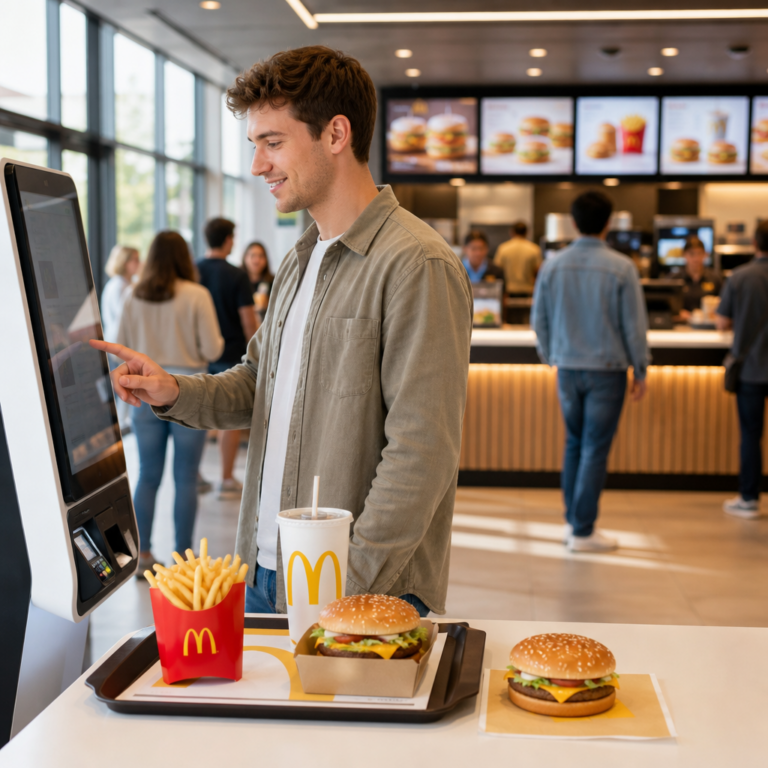

More than sausages and burgers: Germany’s passion for foosball tables and fast food
If you’ve ever walked through the streets of Berlin, Munich, or Hamburg, you’ve probably noticed that the German pace of life blends enviable efficiency with a deep love for shared moments of relaxation. There’s a fascinating cultural connection between fast food and social leisure that goes far beyond simply sitting down to devour a combo meal before rushing back to work.
In Germany, lunchtime is an opportunity to switch off from corporate stress, seeking out places where fun and flavor go hand in hand. It’s very common to find venues that pay close attention to every detail of their food offering while encouraging customers to interact through classic games that have been passed down from generation to generation without losing an ounce of their original charm.
Leisure culture in German restaurants
Exploring Germany’s fast-food scene means discovering that many places are genuine neighborhood meeting spots where time seems to slow down a little. Unlike in other countries, where self-service is purely transactional, people value spaces that invite you to stay, chat, and—why not—play a quick game before getting back to your obligations.
A key feature that often anchors the hangout areas in these venues is the Kickertisch—that sturdy foosball table with solid rods that brings out the most competitive and cheerful side of anyone who walks past it with a burger in hand.
Beyond the great atmosphere, the durability of these tables shows that fun is taken seriously. They’re not flimsy, low-quality toys, but solid structures built to withstand constant use and the energy of groups who gather to play.
It’s curious how the sound of the ball hitting the wood—while you’re enjoying a portion of fries—can lead you to strike up a natural conversation with people you didn’t know. Taking part in these small, spontaneous competitions has become a habit for many young people and professionals who just want to clear their heads from work and day-to-day responsibilities.
Local flavors that make the menu stand out
If you take a look at the options when you step into a German fast-food spot, you’ll immediately notice how the flavors are tailored to regional tastes, avoiding bland uniformity. Promotions often feature typical ingredients like aged local cheeses, sauces with a hint of sweet mustard, or buns topped with sesame and poppy seeds that give each bite a much more rustic texture.
It’s interesting to see how they blend classic American recipes with a traditional Bavarian or Rhineland touch, creating a product that feels familiar and distinctly local. Alongside seasonal burgers, coleslaw and vegetarian options have gained serious traction, reflecting a society that’s increasingly health-conscious without wanting to give up the pleasure of fast food.
Balancing nutrients with bold flavor is a priority, making every choice on the menu a satisfying experience that leaves you energized for the rest of the day.
Table football as a universal language
Beyond food, there’s a strong sense of belonging tied to the beautiful game—something that carries over from stadiums to wooden tables with metal or plastic players. Anywhere in Germany, football is lived with an intensity that goes beyond screens, turning any playing surface into a friendly battlefield where skill and reflexes are everything.
In that same spirit, Kickertische tournaments organized by the food chains themselves have helped bring whole communities together, creating amateur leagues that draw thousands of enthusiasts every year. The simplicity of the rules and the fast pace of the matches make it the perfect complement to a casual dinner with university friends or office colleagues.